Harmonised research and monitoring
Harmonised research and monitoring methods provide opportunities
Nature research provides important knowledge for both nature management and protected area managers. Environmental research and monitoring systems differ from each other in the cooperating countries. By harmonizing the monitoring and research methods the knowledge of the border crossing species will increase profoundly.
The Pasvik-Inari Transboundary Area partners focus on:
Brown bear: Pasvik-Inari-Petchenga brown bear population has jointly been monitoried in 2007, 2011, 2015 and 2019. In 2023 the activity was implemented bilaterally by Norway and Finland.
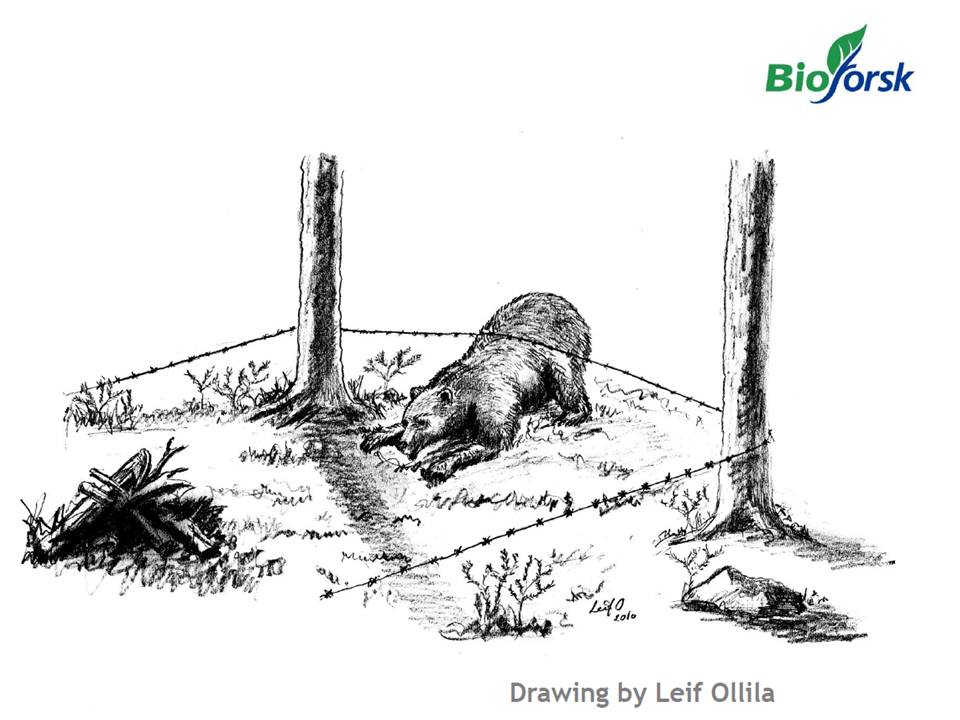
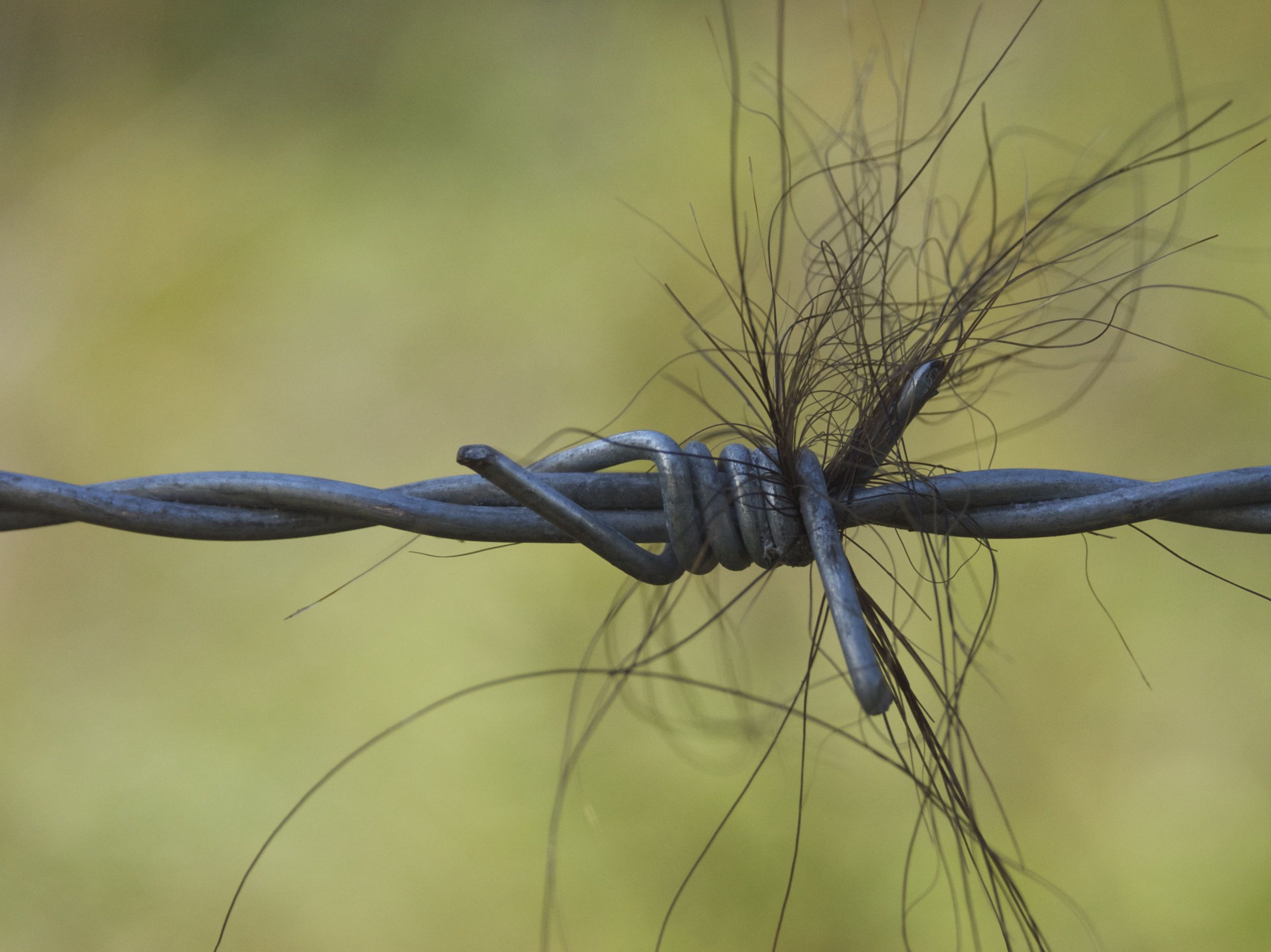
Joint research and monitoring plan related to the brown bear population have been developed. Bear faeces and hair samples are collected for DNA-analyses at the NIBIO Svanhovd DNA-laboratory. These analyses makes it possible to identify individual bears, get information about kinship between the bears and to get a more precise picture of the total bear population in the region.
Monitoring of brown bears in Pasvik-Inari region using hair traps.
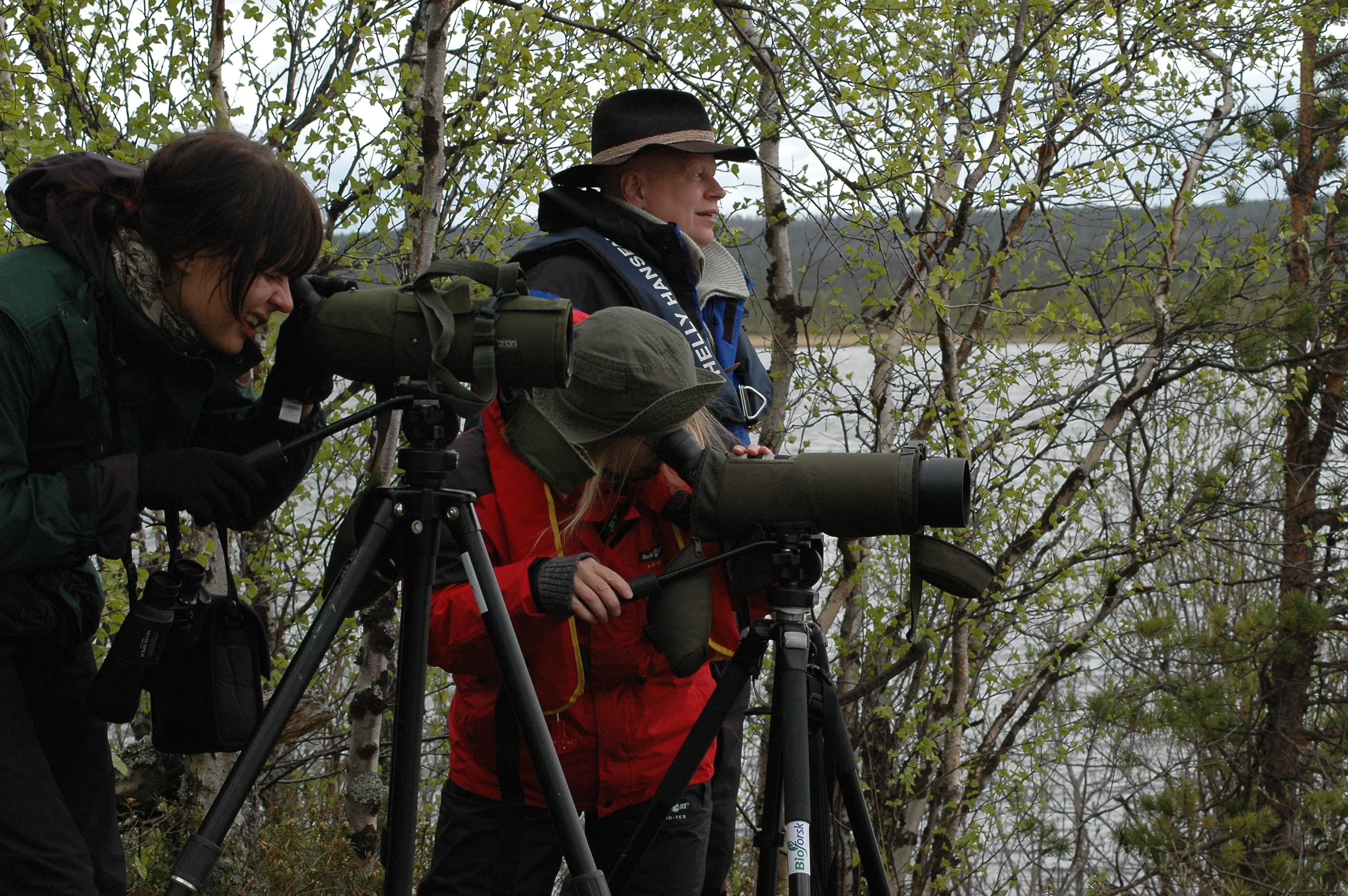
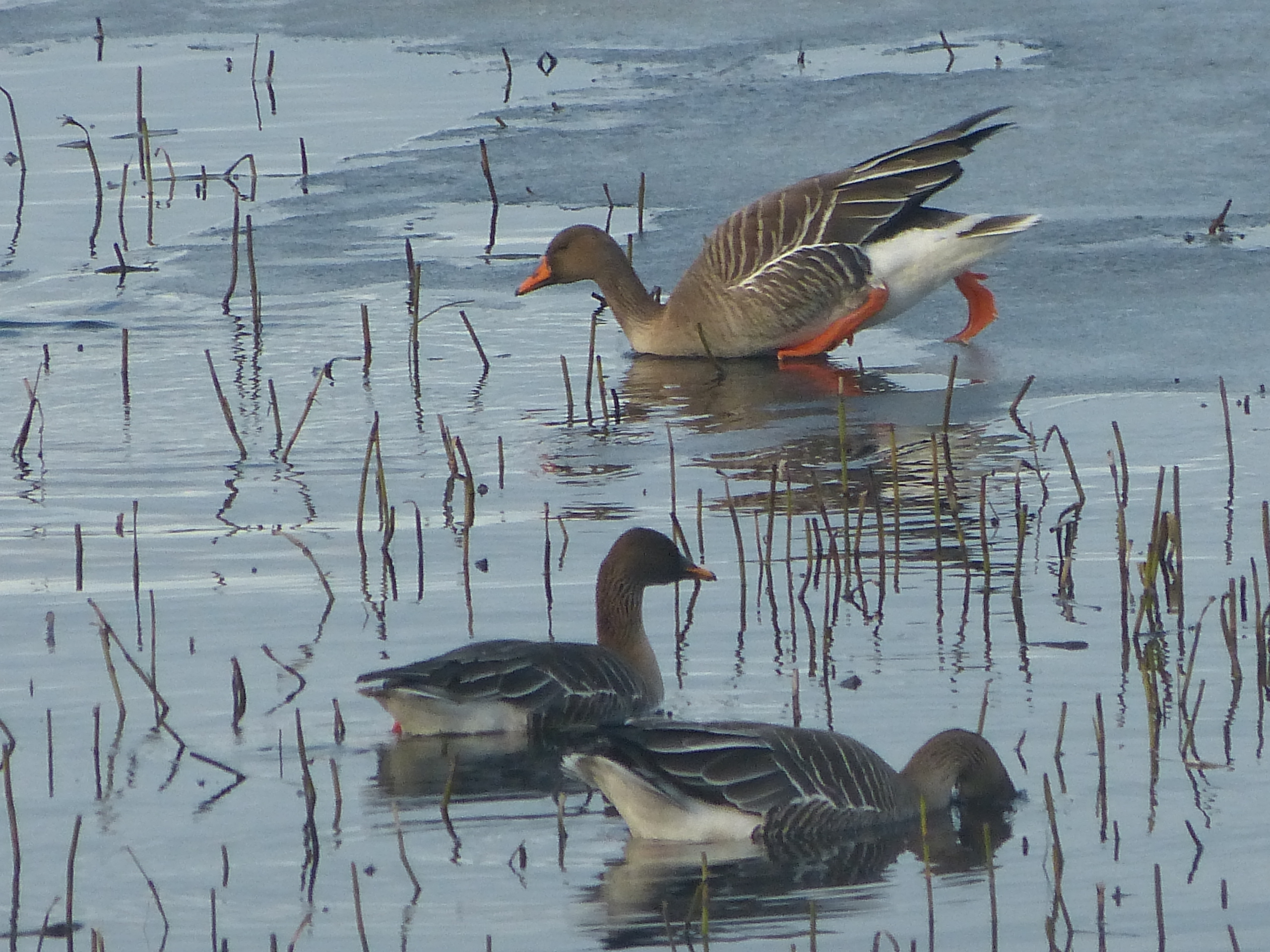
Water birds: Annual water bird registrations are carried out in the Pasvik nature reserves (NO-RU). These registrations have been carried out since the early 1990s, from 1996 and onwards using standardised methodology.
Report on results from the water bird registrations 1996-2005
Report on results 1996-2020 (in Norwegian)
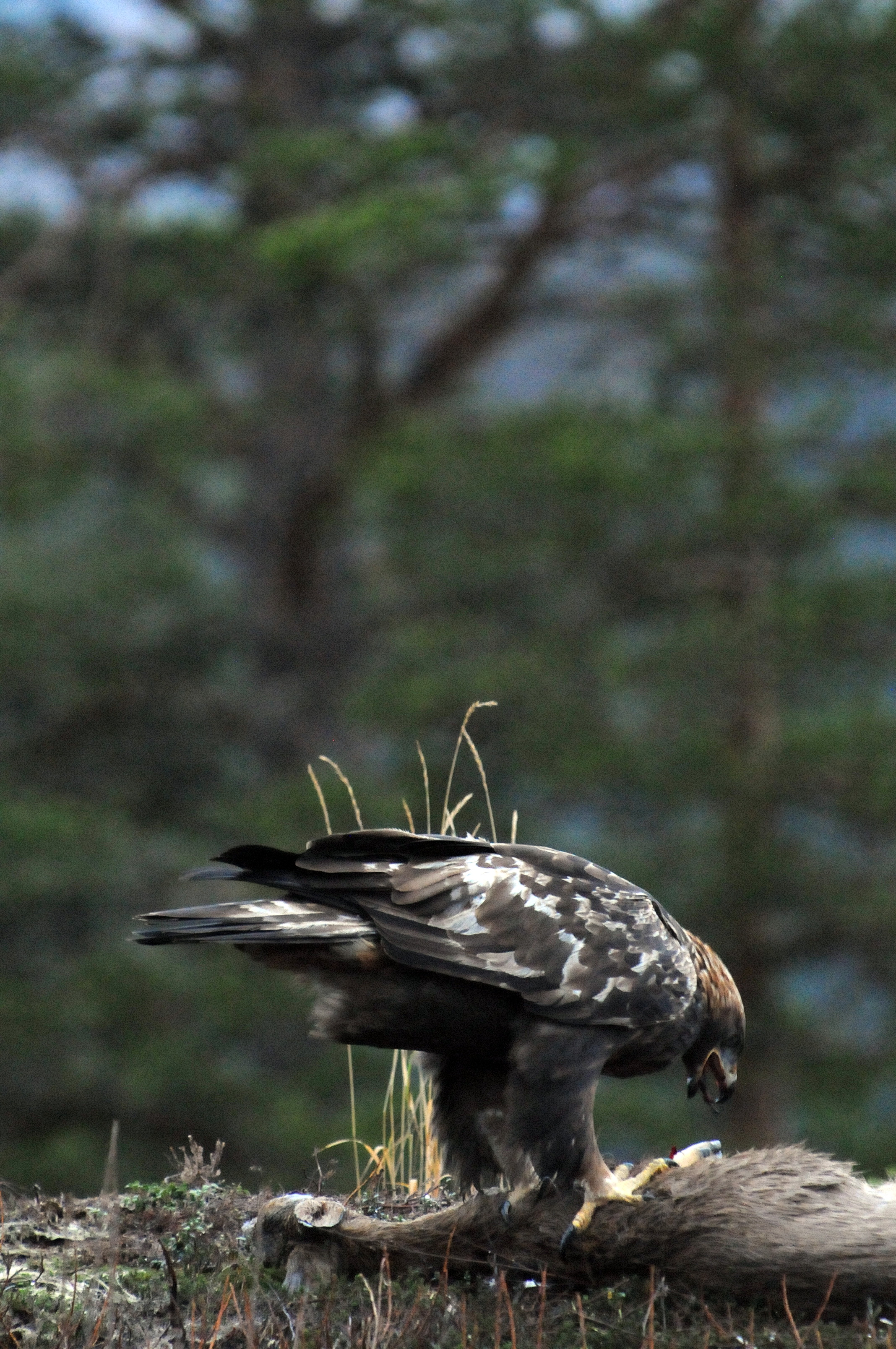
Golden Eagle: In a joint project years 2006-2008 effort was made to implement harmonised mapping of the Golden Eagles. Mapping the nests and active revires of the Golden Eagles across the borders will provide better population information. In Norway and Finland this will also improve the estimates of damage costs caused by Golden Eagle to reindeer husbandry of the area. In Finland the number of active revires in an area is directly affecting the compensations.
Visitors: A joint meta database has been initiated to gather information on the numbers of visitors to the area. Visitors are counted in the visitor and nature centres, in the protected areas and along nature trails. Visitors monitoring is discussed actively and best practises are shared between the partners. Information on the numbers of border-crossings and visits to the destination zone of the trilateral park area is also compiled from existing external sources.
Map of the Pasvik-Inari trilateral park destination zone (until 2022)